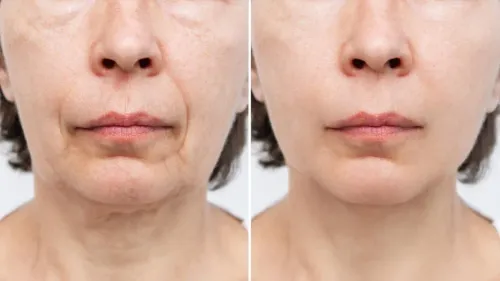
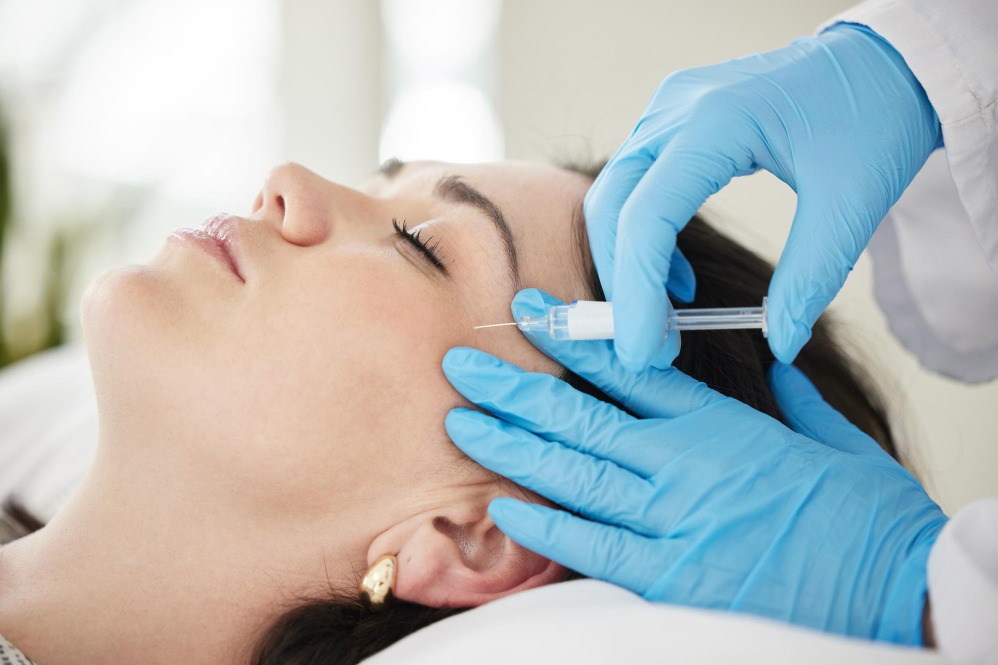
Dermal fillers can be used to address selected facial volume, contour, or line-related concerns. However, Fillers Treatment in Borivali should never be treated as a casual beauty service. Fillers are injectable medical products, and safe treatment requires knowledge of facial anatomy, careful product selection, sterile technique, and preparation for possible complications.
The most suitable outcome is usually one that supports facial balance without making the person look unfamiliar.
What Can Dermal Fillers Address?
Depending on the product and patient assessment, fillers may be considered for concerns involving:
- Loss of volume in selected facial areas
- Lip shape or volume
- Certain folds and lines
- Chin or jawline contour
- Cheek projection
- Depressed scars in selected cases
- Facial asymmetry
Not every concern requires filler. Pigmentation, dynamic expression lines, loose skin, and surface texture may respond better to other approaches.
Fillers Are Not All the Same
Different filler products have different compositions, consistencies, intended treatment depths, and approved uses. A product suitable for one anatomical area may not be appropriate for another.
Patients should know what product is proposed and why it has been selected. The quantity should be based on anatomy and goals rather than a predetermined package.
Some commonly used fillers are based on hyaluronic acid, a substance naturally present in the body. This does not make injection risk-free. Product placement and vascular anatomy remain critical.
What a Pre-Treatment Consultation Should Cover
The clinician should ask about medical conditions, allergies, previous fillers, dental work, skin infections, medicines, supplements, pregnancy, breastfeeding, and any history of cold sores.
The face should be assessed both at rest and during movement. Baseline asymmetry, skin quality, bone structure, and proportions all affect the plan.
Patients should explain what bothers them rather than requesting a social-media trend by name. A feature that looks attractive on one face may not suit another.
Understanding Risks
Temporary swelling, tenderness, bruising, and asymmetry can occur. Other possible problems include infection, nodules, prolonged swelling, or an unsatisfactory cosmetic outcome.
A rare but serious complication can occur if filler enters or compresses a blood vessel. This may damage skin and, in exceptional cases, affect vision. Severe pain, blanching or unusual colour change, worsening discoloration, or visual symptoms after treatment require urgent medical attention.
The provider should be able to explain the emergency protocol and the availability of appropriate management. Patients should not proceed if risks are dismissed or questions are discouraged.
Preparing for Treatment
Before the appointment:
- Disclose all medicines and supplements.
- Mention earlier fillers, even if placed years ago.
- Report active acne, cold sores, or dental infections.
- Avoid scheduling immediately before an important event.
- Discuss upcoming dental procedures.
- Review expected swelling and recovery.
- Confirm the product and total cost.
Do not stop prescribed medication without advice from the doctor who manages it.
Choosing a Provider in Mumbai
Fillers should be performed in a clinical environment by a suitably trained medical professional. Price is relevant, but unusually cheap treatment may raise questions about product source, storage, practitioner qualification, or follow-up.
At Dr Vikas Solanki Skin Clinic, patients considering fillers in Borivali can receive a facial assessment and discuss whether treatment is appropriate. A conservative staged approach may be preferable when someone is receiving fillers for the first time.
The right decision may be to proceed, modify the plan, choose another treatment, or have no procedure at all. Good filler care is defined by informed consent, anatomical judgment, authentic products, conservative goals, and accessible follow-up, not by the largest visible change.
Keywords