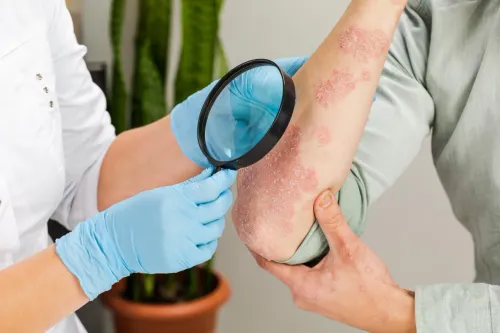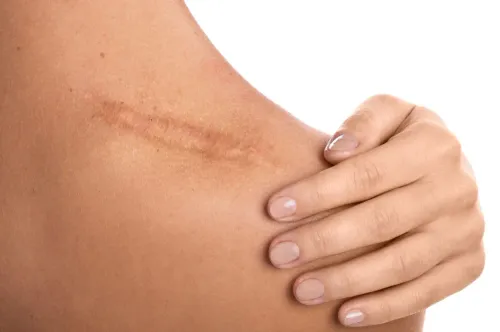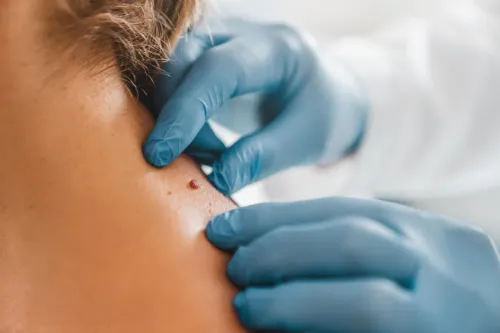

Redness, itching, swelling, and recurrent rashes are often described collectively as skin allergy. In reality, several different conditions can produce these symptoms. Effective Skin Allergy Treatment in Borivali depends on distinguishing contact allergy, hives, eczema, irritation, infection, and medicine-related reactions.
Without a clear diagnosis, patients may repeatedly avoid foods or change products without finding the actual trigger.
Allergy and Irritation Are Not Identical
Allergic contact dermatitis develops when the immune system reacts to a substance after sensitisation. Irritant dermatitis occurs when repeated exposure damages the skin barrier, even without a true allergy.
Potential triggers include fragrances, hair dye, preservatives, metals, adhesives, rubber chemicals, cleaning agents, and occupational materials. Heat, sweat, detergents, and repeated handwashing can worsen both allergic and irritant rashes.
Mumbai residents may notice flares during humid weather, but humidity itself does not identify the underlying diagnosis.
Hives Have a Different Pattern
Hives, also known as urticaria, typically cause raised, itchy swellings that can appear and disappear. Individual welts often move or fade while new ones develop elsewhere.
Food is only one possible trigger. Infections, medicines, pressure, temperature changes, or other factors may contribute. In many chronic cases, a single external cause is not found.
Photographs can help when the lesions disappear before the appointment. Patients should record how long individual swellings last and whether there is associated lip, eyelid, tongue, or throat swelling.
When Is It an Emergency?
Seek emergency help if a skin reaction occurs with:
- Difficulty breathing
- Tightness in the throat
- Faintness or confusion
- Rapidly increasing tongue or facial swelling
- Widespread blistering
- Peeling skin
- Mouth or eye involvement
- Fever after starting a new medicine
These symptoms require immediate medical attention and should not wait for a routine dermatology visit.
How a Dermatologist Investigates Recurring Rashes
The consultation may cover the timing of symptoms, work exposure, cosmetics, medicines, jewellery, household products, foods, and earlier episodes. The distribution of the rash often provides clues. Eyelid, hand, neck, foot, and hairline dermatitis may each suggest different exposures.
Testing is selected according to the suspected condition. Patch testing may be considered for allergic contact dermatitis, while other investigations may be appropriate for different symptoms. Large, indiscriminate allergy panels do not necessarily identify the cause of every skin rash.
Steps Patients Can Take
While awaiting assessment:
- Stop newly introduced cosmetic products if they appear related.
- Use a gentle, fragrance-free cleanser when suitable.
- Avoid scratching and keep nails trimmed.
- Apply a simple moisturiser to dry, unbroken skin.
- Photograph temporary rashes in clear light.
- Record medicines, meals, activities, and exposures around each flare.
- Do not apply steroid-combination creams without medical guidance.
Avoiding dozens of foods without evidence can lead to unnecessary restriction. Any elimination strategy should be based on a credible history and professional advice.
Building a Practical Treatment Plan
Treatment may involve trigger avoidance, moisturisers, prescribed topical medicine, antihistamines, or other options depending on the diagnosis. The strength, body area, duration, and age of the patient matter when topical steroids are prescribed.
Dr Vikas Solanki Skin Clinic assesses recurrent itching and rashes for patients in Borivali and nearby Mumbai areas. The goal is to identify whether the problem is allergic, irritant, inflammatory, infectious, or related to another cause.
Patients should bring current medicines and products to the appointment when possible. A precise history often contributes as much as a test. Once the likely trigger and condition are understood, treatment can focus on controlling the flare, repairing the skin barrier, and reducing avoidable recurrence.
Keywords