Procedure-based hair care has become increasingly visible, but the names used in advertisements can make treatment choices confusing. Patients exploring PRP and GFC Hair Treatment in Borivali should understand what these procedures involve, what they may realistically achieve, and why an accurate hair-loss diagnosis remains essential.
PRP refers to platelet-rich plasma. GFC commonly refers to a growth-factor concentrate prepared from the patient’s blood using a specific processing system. Both are used by some clinicians as supportive treatments for selected forms of hair thinning.
How PRP Treatment Works
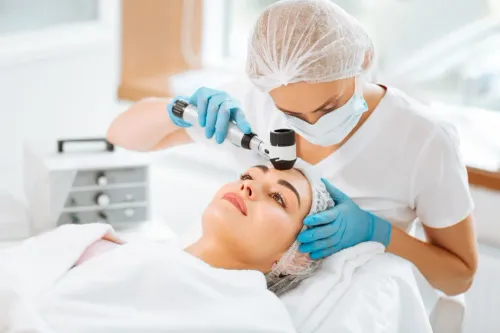
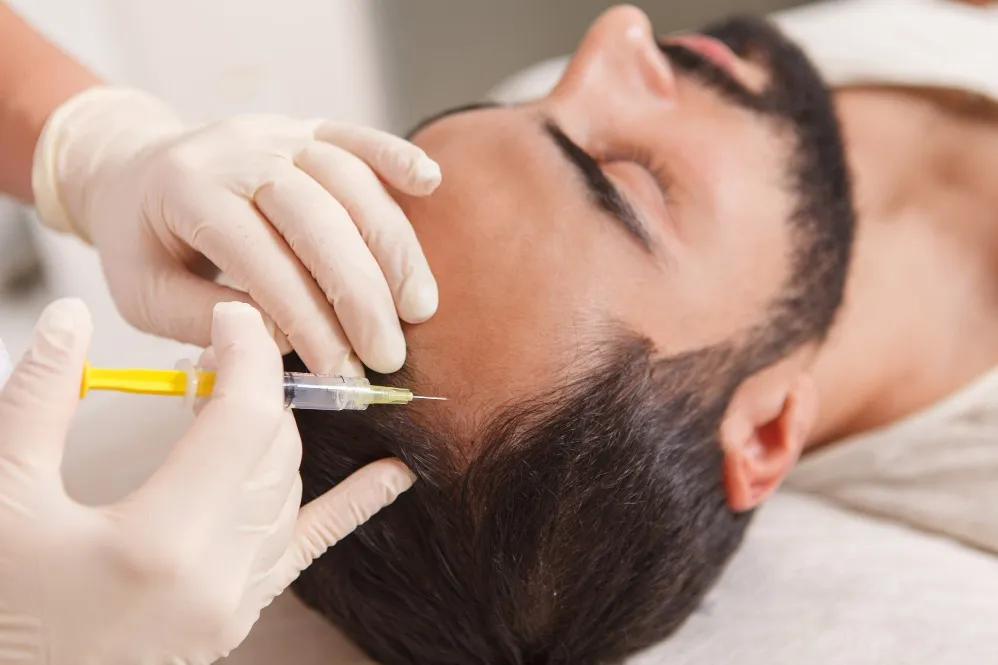
During PRP treatment, a small amount of blood is collected and processed to separate a platelet-rich portion. This preparation is then administered into selected scalp areas.
Platelets release substances involved in tissue signalling and repair. In hair treatment, PRP is generally intended to support follicles that are still present rather than create completely new follicles in areas where they no longer function.
Preparation methods can differ between clinics. The concentration obtained, equipment used, injection technique, treatment schedule, and patient selection may all affect the experience and outcome.
How GFC Is Different
GFC treatment also begins with a blood sample. Its preparation is designed to isolate or concentrate particular growth factors before they are delivered to the scalp.
Patients may hear claims that one option is universally superior. In practice, suitability depends on the diagnosis, degree of thinning, available clinical evidence, treatment protocol, cost, and dermatologist’s assessment. The name of the procedure alone does not guarantee a result.
Who May Be Considered?
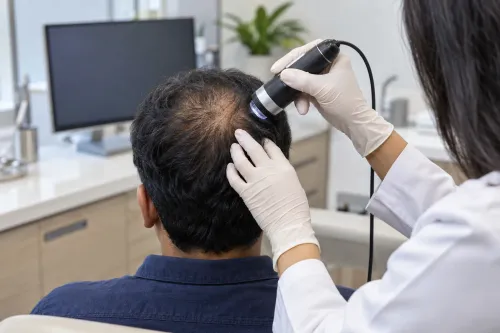
PRP or GFC may be discussed for selected patients with early or moderate pattern-related thinning. A dermatologist will usually look for the presence of active follicles and assess whether the condition is likely to respond.
These procedures may be less useful when:
- Hair loss is caused by an untreated medical condition
- The scalp has active infection or significant inflammation
- Loss is due mainly to permanent scarring
- An area has been completely bald for a long time
- Expectations involve guaranteed restoration of original density
- A patient has a condition or medication that makes a blood-based procedure unsuitable
The decision should also consider pregnancy, bleeding concerns, medicines, and relevant medical history.
PRP and GFC Are Usually Part of a Broader Plan
A procedure may support a treatment programme, but it should not replace investigation or necessary medical management. A patient with pattern hair loss may still need home treatment and long-term maintenance. Someone experiencing temporary shedding after illness may require a different approach.
A comprehensive plan may combine:
- Diagnosis of the hair-loss type
- Scalp care when dandruff or inflammation is present
- Medical treatment where appropriate
- Nutritional correction only when indicated
- PRP or GFC for suitable candidates
- Standardised photographs for monitoring
Visible change is gradual because hair follicles move through growth cycles. Judging a procedure immediately after a session can therefore be misleading.
Questions to Ask Before Proceeding
Patients should ask:
- What is my confirmed diagnosis?
- Why is this procedure suitable for me?
- Which preparation method will be used?
- How many sessions may be proposed?
- What discomfort and downtime should I expect?
- What home treatment will I need?
- How will progress be documented?
- What result is realistic for my stage of hair loss?
- Will maintenance sessions be considered?
Transparent answers help patients distinguish a medically planned procedure from a generic package.
Choosing a Thoughtful Treatment Path
At Dr Vikas Solanki Skin Clinic, a consultation can help patients in Borivali and other parts of Mumbai determine whether PRP, GFC, medical treatment, or simple monitoring is appropriate. Patients should disclose medicines, previous procedures, scalp conditions, and any history of abnormal bleeding before treatment.
PRP and GFC are not instant cures, and individual responses vary. Their value depends heavily on selecting the right candidate, using an appropriate protocol, and combining the procedure with management of the underlying condition. A diagnostic consultation is therefore the most useful first step.
Keywords