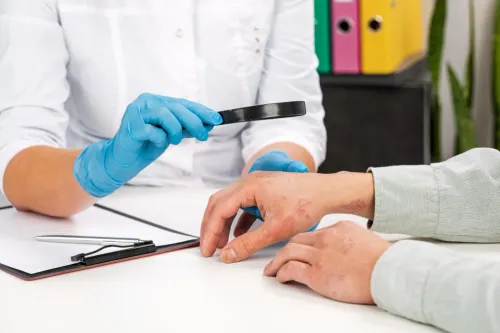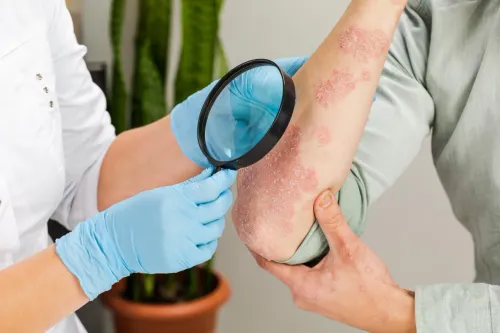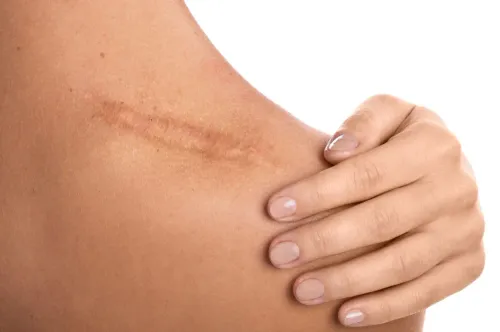
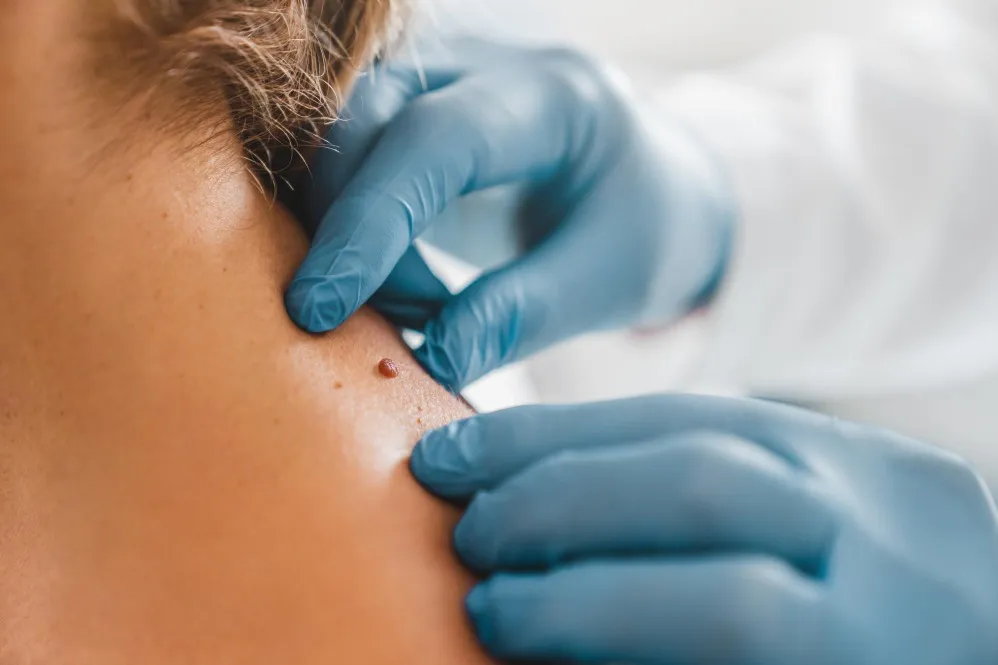
Skin tags and warts can both appear as small growths, but they are not the same condition. Choosing Skin Tag and Wart Removal in Borivali should begin with confirming what the growth actually is, especially when it has changed, bleeds repeatedly, or looks different from surrounding lesions.
A skin tag is generally a soft, benign growth that often develops in areas of friction. Warts are caused by certain types of human papillomavirus and may have a rougher surface. Other skin lesions can sometimes resemble either condition, making visual self-diagnosis unreliable.
How Skin Tags Commonly Appear
Skin tags frequently develop around the:
- Neck
- Underarms
- Upper chest
- Eyelids
- Groin
- Areas beneath the breasts
- Skin folds
They may be skin-coloured or slightly darker and often hang from a narrow stalk. Skin tags are usually harmless, but they can become uncomfortable when caught on clothing, jewellery, or shaving equipment.
Multiple skin tags may occur more often in individuals with friction-prone skin folds. In some cases, a doctor may consider whether associated metabolic factors deserve attention, although the presence of skin tags alone does not establish a medical diagnosis.
How Warts Differ
Warts can develop on the hands, feet, face, and other areas. Their appearance varies by location and wart type. Some are rough and raised, while others may be flatter.
Because warts can spread through direct contact or contaminated surfaces, scratching and cutting them at home may increase irritation or encourage spread. Plantar warts on the soles may also become painful under pressure and can be mistaken for corns.
Why Home Removal Can Be Risky
Patients sometimes attempt to remove a growth using thread, blades, acids, or unverified online remedies. These methods can cause:
- Bleeding
- Burns
- Infection
- Scarring
- Pigment changes
- Incomplete removal
- Delayed diagnosis of a different lesion
Strong wart-removal chemicals are especially risky near the eyes, face, genitals, or sensitive skin. A product suitable for a confirmed wart on the hand may be inappropriate for another body area.
What Clinical Removal May Involve
After examining the lesion, a dermatologist may discuss an appropriate technique. Depending on its nature, size, number, and location, options can include cryotherapy, electrosurgery, radiofrequency-based removal, carefully performed snip removal, or another procedure.
Local anaesthesia may be used when necessary. Some lesions require more than one session, particularly warts, which can recur even after suitable treatment because removing a visible growth does not always eliminate every virus-affected cell.
The expected healing period, dressing instructions, sun protection, and risk of temporary colour change should be discussed before treatment. Patients who develop dark marks easily may require additional precautions.
Lesions That Need Prompt Examination
Do not assume that every new growth is a tag or wart. Arrange an examination if a lesion:
- Changes rapidly in shape, size, or colour
- Bleeds without obvious friction
- Develops an irregular border
- Becomes persistently painful
- Forms a non-healing sore
- Appears suddenly in large numbers
- Is located near the eye or another sensitive area
- Remains uncertain despite previous treatment
A dermatologist may recommend further assessment when the appearance is atypical. Cosmetic removal should not take priority over establishing a safe diagnosis.
What to Ask Before Removal
Patients should understand how the lesion will be treated, whether anaesthesia is required, how the site should be cared for, and what signs of infection need attention. It is also useful to ask about likely pigment changes and whether repeat treatment could be necessary.
Dr Vikas Solanki Skin Clinic provides assessment for patients considering removal in Borivali, Mumbai. The purpose of the initial visit is not simply to remove every bump. It is to distinguish routine benign lesions from growths that require a different approach and to select a method suited to the body area and individual skin.
Keywords