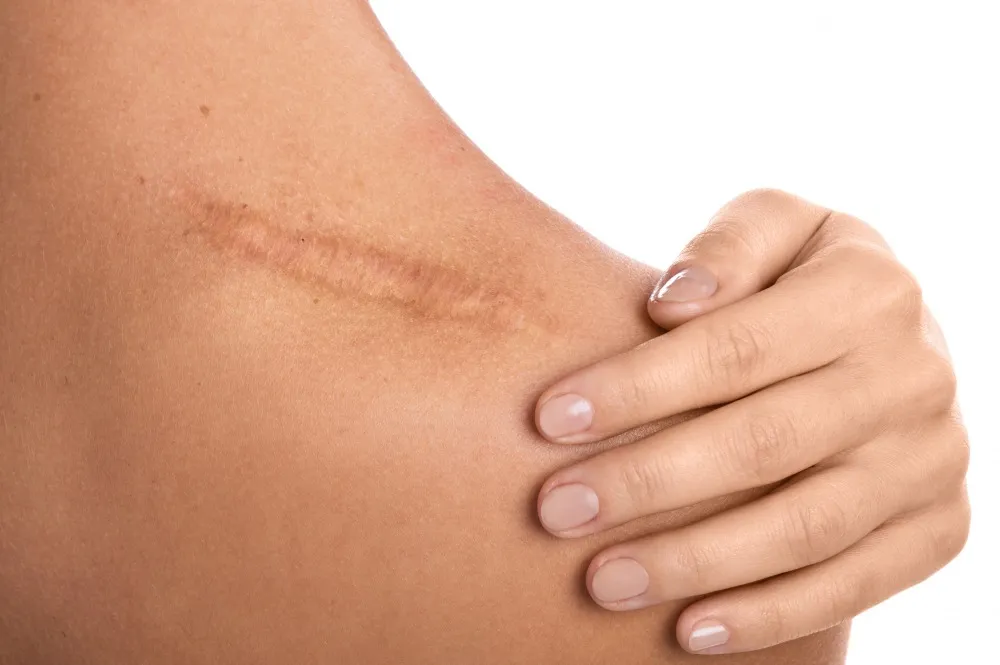
Scars can remain after acne, injuries, surgery, burns, or infections. Although many patients describe every persistent mark as a scar, pigmentation, redness, raised tissue, and depressed scars are different concerns. Effective Scar Treatment in Borivali begins by identifying which feature is actually present.
No single procedure treats every scar, and complete erasure is not always possible. The practical objective is usually to make the scar flatter, smoother, softer, or less noticeable while protecting the surrounding skin.
A Dark Mark Is Not Always a Scar
After inflammation, Indian skin tones may develop brown or grey marks known as post-inflammatory hyperpigmentation. Redness may also remain after a spot has healed. These colour changes can fade gradually and may respond to topical treatment or selected procedures.
A true textural scar changes the surface or thickness of the skin. Treating pigmentation with an aggressive scar procedure may expose the patient to unnecessary irritation, while applying lightening products alone will not correct a deep depression.
Common Scar Categories
Depressed acne scars may include narrow ice-pick scars, broader boxcar scars, and rolling scars that create a wave-like texture. Raised hypertrophic scars remain within the original injury area, while keloids may extend beyond it.
Surgical and injury-related scars can also vary according to:
- Age of the scar
- Body location
- Original wound depth
- Tension across the healing area
- Infection during healing
- Personal tendency to form raised scars
- Sun exposure
- Previous treatment
These characteristics determine which options deserve consideration.
Why Combination Treatment Is Often Discussed
Different procedures act on different scar features. Depending on the assessment, a dermatologist may discuss microneedling, chemical reconstruction techniques, subcision, laser-based procedures, injections for raised scars, or other approaches.
For example, a tethered rolling scar may need release beneath the skin, while a narrow deep scar may require a different technique. Pigmentation and active acne may also need separate management.
Combining procedures does not mean performing everything together. A staged plan may be safer, allowing the skin’s response to be assessed between sessions.
Important Considerations for Mumbai Patients
Strong sunlight, heat, sweating, and daily commuting can influence treatment timing and aftercare. Certain procedures temporarily increase sensitivity, making sun protection particularly important.
People with medium to deeper skin tones can experience post-inflammatory darkening after irritation. This does not mean procedures are unsuitable, but settings, preparation, aftercare, and treatment intervals should be chosen carefully.
Patients should inform the dermatologist about a history of keloids, cold sores, ongoing medicines, recent tanning, or previous adverse reactions.
Mistakes That Can Make Scarring Worse
Avoid:
- Picking active acne or scabs
- Performing home microneedling
- Applying strong acids without supervision
- Starting scar procedures while severe acne remains uncontrolled
- Expecting one session to correct every type of scar
- Ignoring sunscreen after treatment
- Choosing a procedure solely from social-media photographs
Before-and-after images can illustrate possibilities, but lighting and camera angles can change how skin texture appears. Personal improvement should be documented consistently.
What a Realistic Treatment Plan Looks Like
A thoughtful plan identifies the most prominent scar types, prioritises the changes that matter to the patient, and explains probable downtime. The dermatologist should discuss possible redness, swelling, pigmentation, infection risk, and the number of sessions that may be considered.
Dr Vikas Solanki Skin Clinic evaluates scars for patients in Borivali and across Mumbai before recommending treatment. Active acne may be addressed first to reduce the chance of new scars forming. Mature scars can then be approached according to their depth and structure.
Scar improvement is generally gradual because collagen remodelling takes time. The most useful consultation is one that sets realistic expectations, explains why a procedure has been selected, and creates a safe sequence rather than promising perfectly unmarked skin.
Keywords